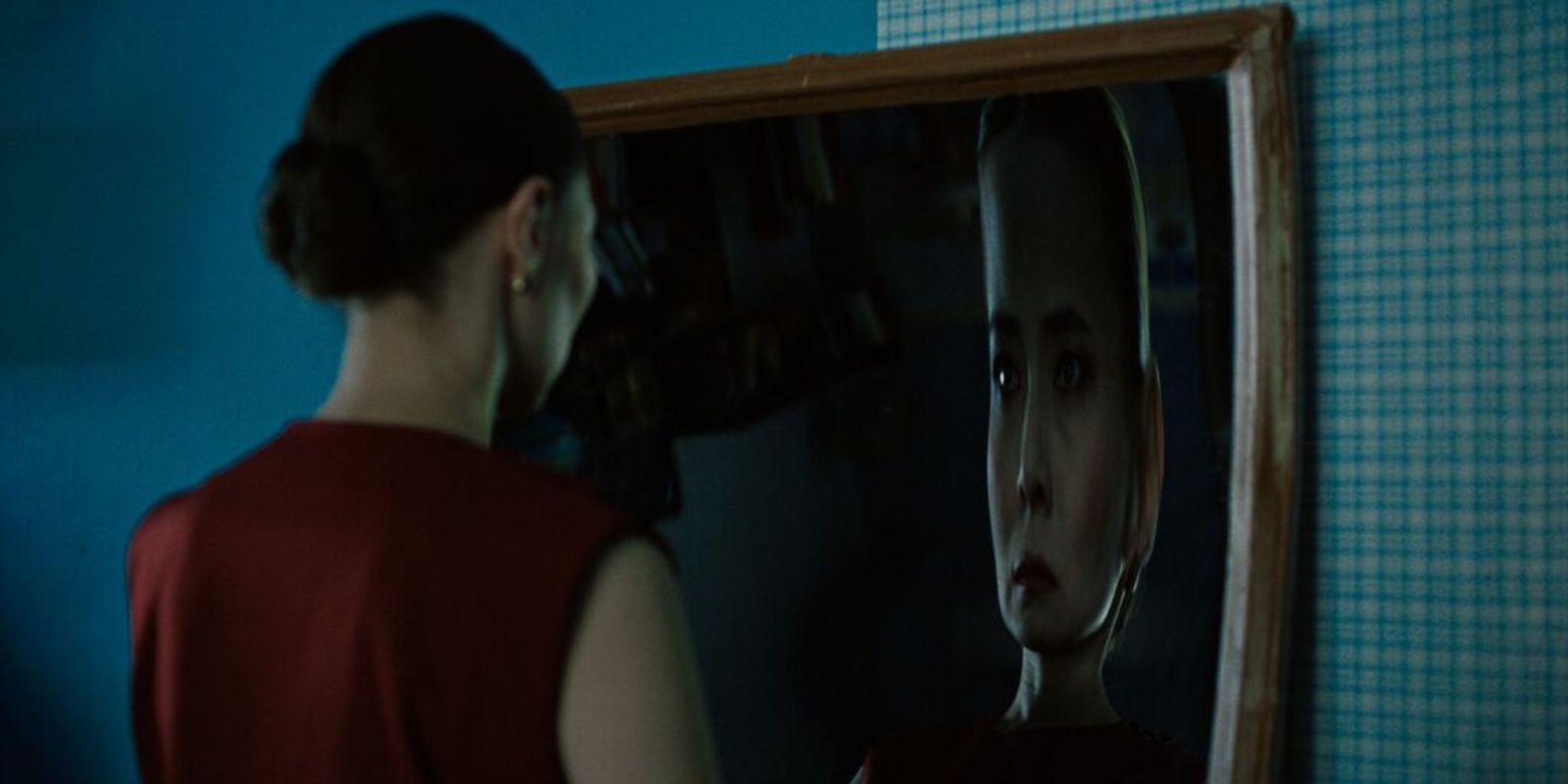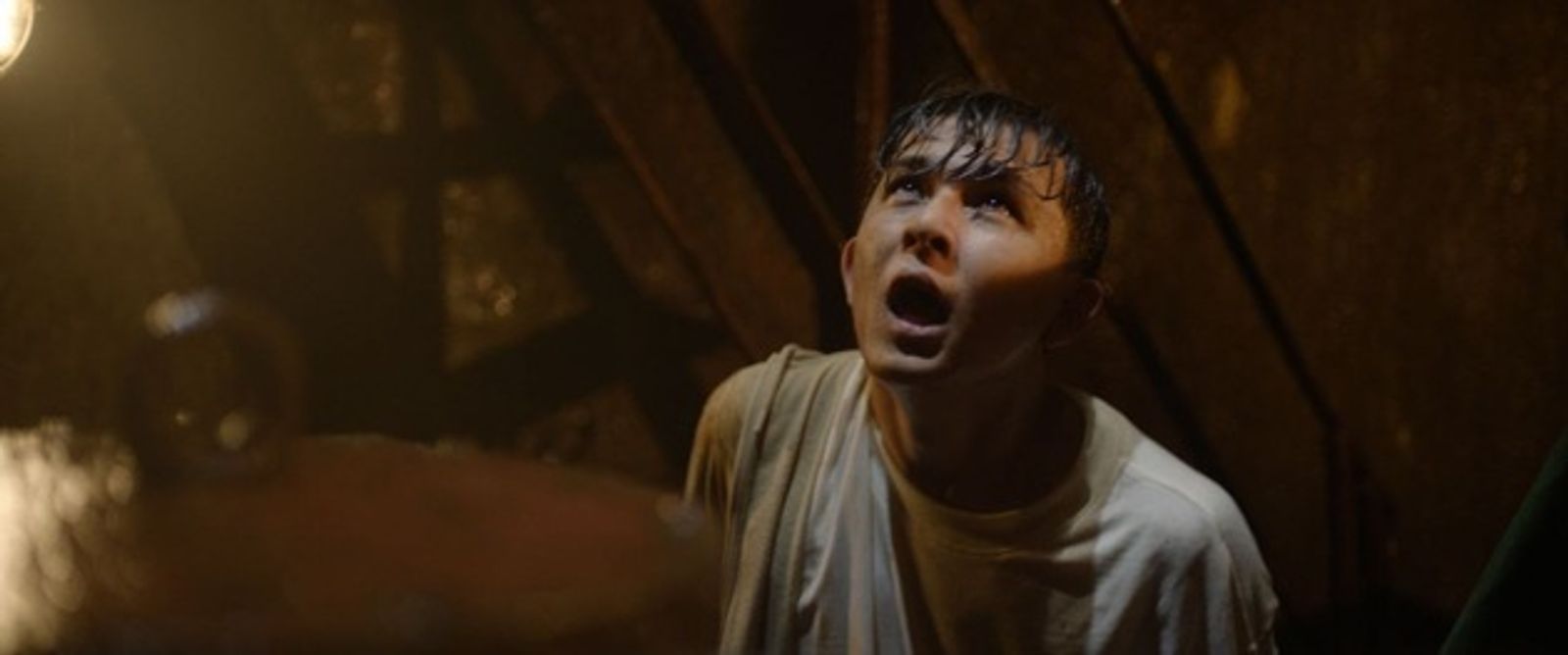
Shyrmauyq: a Kazakh debut reaches Tokyo
Azamat Shargyn’s first feature had its world premiere in the Asian Future programme on October 26.

Shyrmauyq, the feature debut of Azamat Shargyn, received its world premiere on October 26, 2026, the opening day of the 39th Tokyo International Film Festival. It screens in Asian Future, the competition for first and second features by Asian directors.
A family beside the river
Set in a village beside a river, the film follows grandmother Ayimkhan and her granddaughter Umit. The family depends on Ayimkhan’s pension; when the girl’s mother leaves to seek work in the city, relationships begin to shift.
After the premiere
At the post-screening Q&A, Shargyn discussed village life, family dependency and the river’s symbolism. According to TIFF’s report, his intention was to portray particular people living in the present rather than offer an ethnographic account of Kazakhstan.
The premiere offers an opportunity to discover a new filmmaker exploring larger questions through the everyday life of one family.
Why Tokyo matters
The Tokyo International Film Festival began in 1985. Its inaugural programme opened with Akira Kurosawa’s Ran, while Shinji Somai’s Typhoon Club received the first Grand Prix. More than four decades later, TIFF brings Japanese, Asian and world cinema together, with a history that places emerging filmmakers alongside directors whose work has become part of the cinematic canon.
In 1998, Alejandro Amenábar’s Open Your Eyes won the Grand Prix and Guy Ritchie received the directing award for Lock, Stock and Two Smoking Barrels. Kazakhstan also figures in that history: in 2004, Olzhas Nusuppaev received the acting prize for Schizo. Shyrmauyq’s Tokyo premiere adds a new chapter to that continuing exchange.
Asian Future is particularly relevant to a debut: it focuses on first and second features by Asian directors. Audiences can encounter a filmmaker at the start of a career, while the post-screening discussion gives them direct access to the ideas behind the work.
Sources
Tokyo International Film Festival — отчёт о премьере