
ALMATY INDIE FILM FESTIVAL
Patrick Stewart: A Voice We Trusted
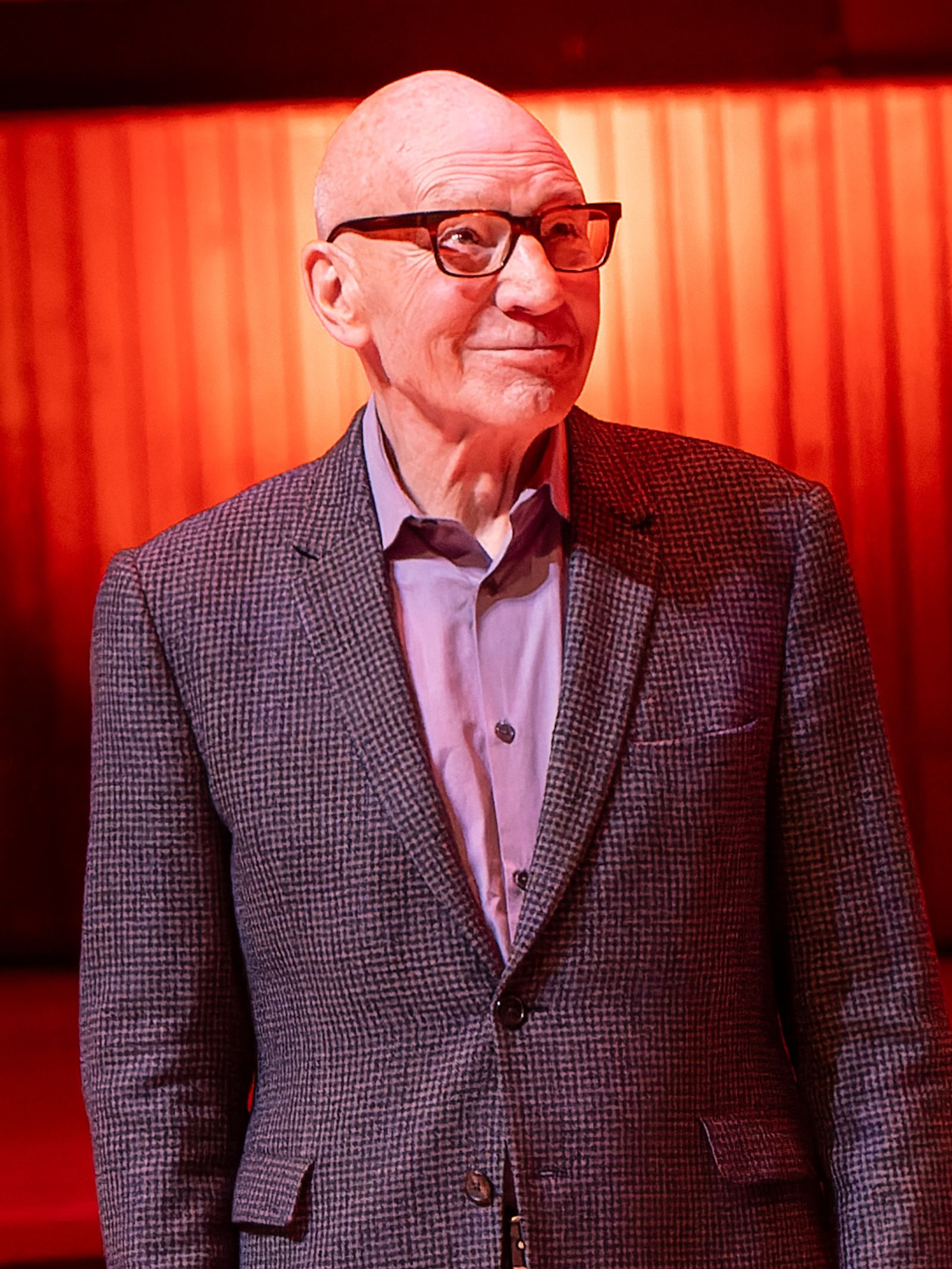
From the Shakespearean stage to the bridge of the Enterprise, remembering an actor who gave imagined worlds a human scale.
Patrick Stewart died in Los Angeles on October 28, 2026. He was 86. His spokesperson announced his death.
His voice, his bearing and his distinctive composure were instantly recognisable. Sometimes a few seconds were enough to sense that this was someone accustomed to standing behind his words. For generations of viewers, Captain Jean-Luc Picard and Professor Charles Xavier embodied an authority grounded in intelligence, attentiveness and responsibility.
Yet the confidence of his characters always allowed a glimpse of the effort beneath it. Stewart could show what it costs to preserve your dignity when you are frightened, hurting or no longer have an answer.
The theatre stayed with him
Stewart joined the Royal Shakespeare Company in 1966. Theatre taught him precision with language and an understanding of how thought becomes action. He continued returning to the stage, maintaining his connection to a craft that had shaped his life long before worldwide fame.
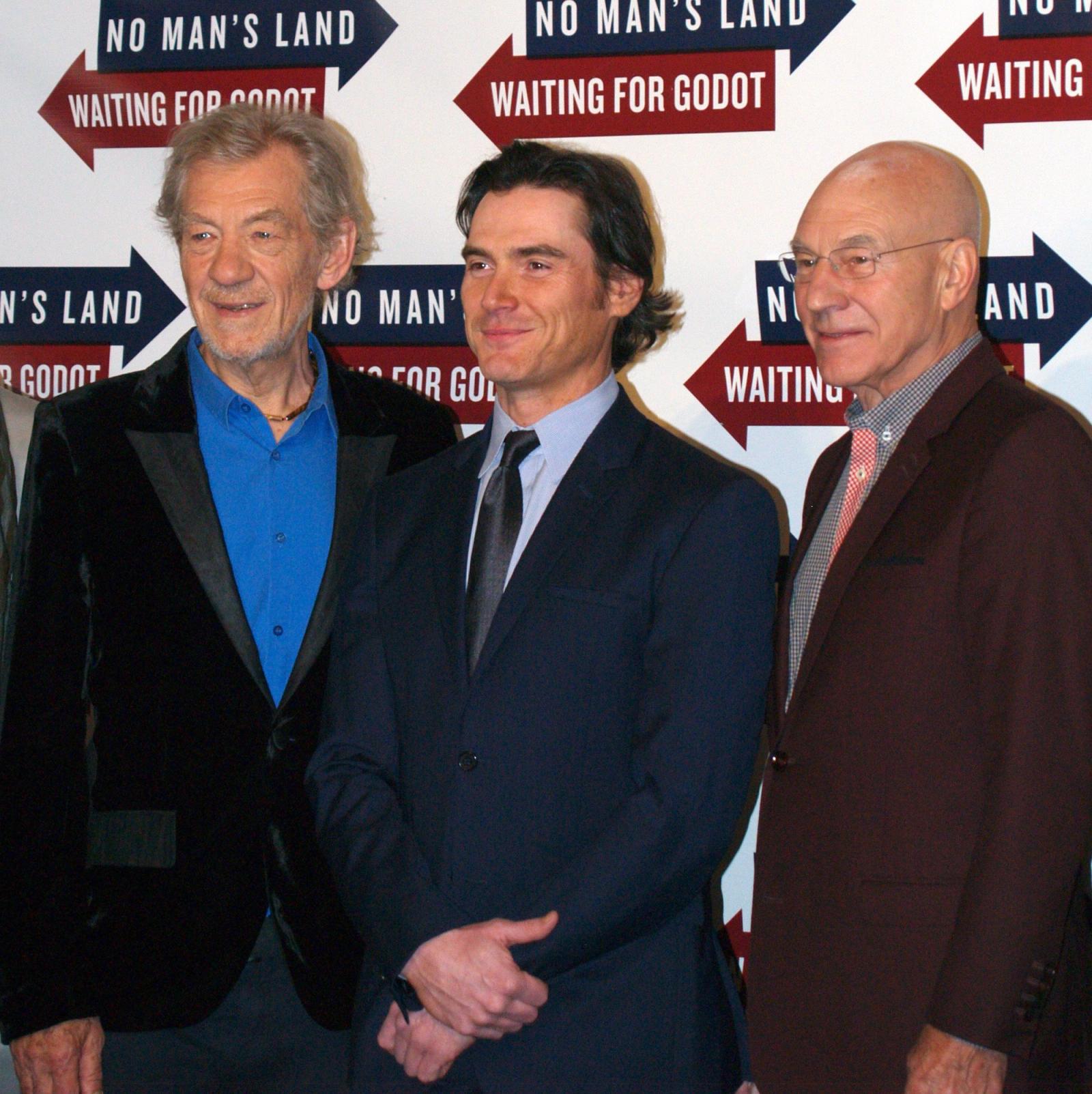
© Luigi Novi / Wikimedia Commons · CC BY 3.0

That training remained palpable on screen. Stewart could shape a long speech so that we followed the movement of a thought. Silence could be equally expressive: a pause, a lingering glance, an almost imperceptible shift in tone.
He allowed his scene partners to affect his character. Even a conversation inside an elaborate science-fiction universe could consequently feel immediate and familiar.
Human beings in vast worlds
Star Trek: The Next Generation, which began in 1987, brought Stewart international fame. His Picard offered an appealing model of leadership: the capacity to listen, to question and to defend principles even when abandoning them would be easier.
In the X-Men films, a similar moral conviction took another form. Charles Xavier believed that people who feared one another could coexist. Stewart gave that belief personal warmth, alongside a sometimes difficult persistence.

Gage Skidmore / Wikimedia Commons · CC BY-SA 3.0

Logan transformed the familiar figure. The mentor himself needs care. His irritation, confusion and brief moments of clarity become a painful story of ageing. Stewart let viewers see the fragility of someone they had always considered a source of strength.
In Jeremy Saulnier’s Green Room, his calm took on a frightening meaning. Playing a neo-Nazi leader, he turned his familiar composure into the cold efficiency of a man deciding the fate of others. The role revealed how far he could travel from the image of the wise mentor.
It is that freedom we remember: to be strong, funny, dangerous or lost. To give words weight while leaving room for doubt. His characters remain in conversation with the audience, and over the years those conversations reveal something new.
